

The World Bank commits $12 billion for covid vaccination in Africa
BY ALAN GREEN
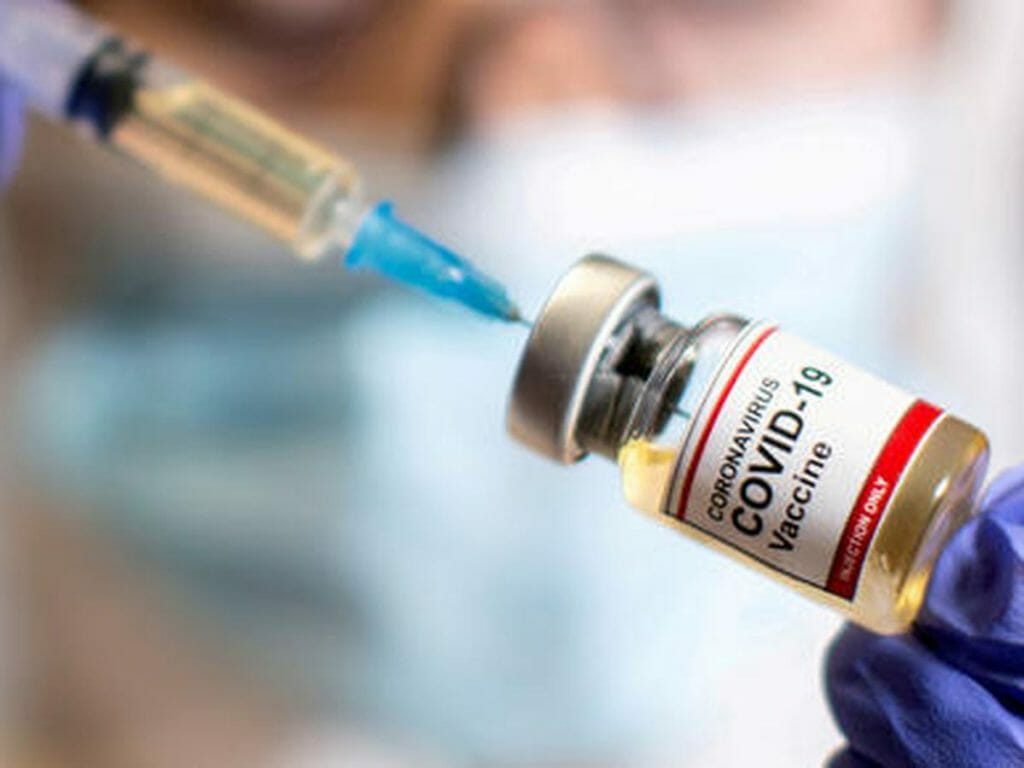
If the vaccine rollout has run into a few snags in the United States that the authorities are working hard to address, the acquisition of the precious inoculation itself is not a problem. Not the case in Africa, a region traditionally faced with financial challenges in many ways. But a much-needed break is coming from the World Bank.
In a statement Thursday following a virtual meeting on the Africa Covid-19 vaccine financing and deployment strategy, World Bank president David Malpass announced that the financial institution is committing $12 billion to support covid-19 vaccination programs across Africa. He added that the bank’s support will come as grants or on highly concessional terms. “We’re preparing emergency vaccine financing projects in 21 countries in Africa, including the Democratic Republic of Congo, Ethiopia, Niger, Mozambique, Tunisia, Eswatini and Cabo Verde to name a few,” the World Bank president said, stressing that “The funds are available now.”
This is not the first time the largest world’s financial institution is pledging money to assist Africa in the context of the covid-19 crisis. According to Malpass, “Since the outbreak of Covid-19 last March, the bank has committed $25 billion to African countries to support their health and economic recovery, and we expect to commit an additional $15 billion by June.”
This should be welcomed news for African leaders, specifically those involved in the fight against the virus that, despite not causing massive deaths as in other parts of the world, has significantly impacted negatively the generally-weak economies of the region.
According to the Africa Centres for Disease Control, the continent needs between $10 billion and $15 billion to cover the cost of vaccinating 60% of its 1.3 billion population. Massive efforts led by the Africa CDC and the African Union have climaxed into securing 270 million doses of the vaccine for the entire region, which constitutes a drop in the bucket for its huge population. The fresh funds from the World Bank bring hope to a continent whose leaders have vowed to make sure the continent is not left out in the growing world-wide effort to get people vaccinated against the deadly virus.
The quasi-panic born out of the second wave of covid-19 spike in Sub-Saharan Africa—with the fast-spreading new variant detected in South Africa and Nigeria in December—is expected to soon be a thing of the past.


Soumanou Salifou (administrator)
Soumanou is the Founder, Publisher, and CEO of The African Maganize, which is available both in print and online. Pick up a copy today!