

Inside Blacks’ dominance in sports

BY SOUMANOU SALIFOU
Blacks’ dominance in sports is a controversial subject in the United States, a country with a complicated history of racial relations born out of the trauma of slavery, Jim Crow laws, and the racism that still exists today. But the subject is so compelling it comes to mind in the context of the just-completed Tokyo Olympic Games where black athletes from all over the world have shined once again. For decades, the secret of Blacks’ domination in sports—whether in sports they practice in large numbers or the ones in which they are a minority—has eluded researchers and the media. Ploughing through the massive body of research available on the subject, this fresh look into what has so far seemed like an unsolved mystery is driven only by the intellectual probity to find answers. This attempt is rooted in the belief—as the history of mankind and scientific research have proven—that no race is superior to any other.
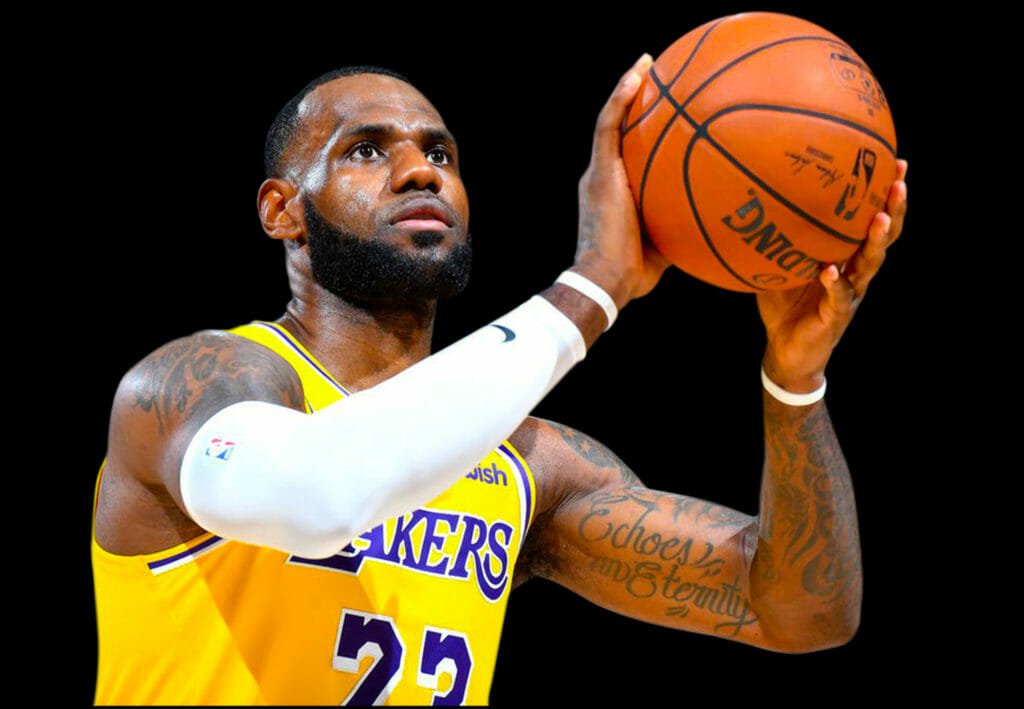
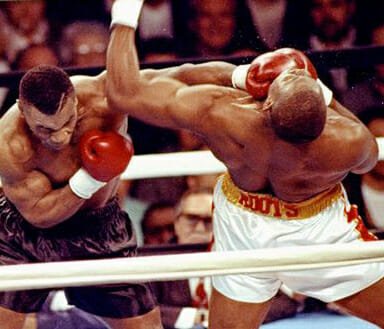
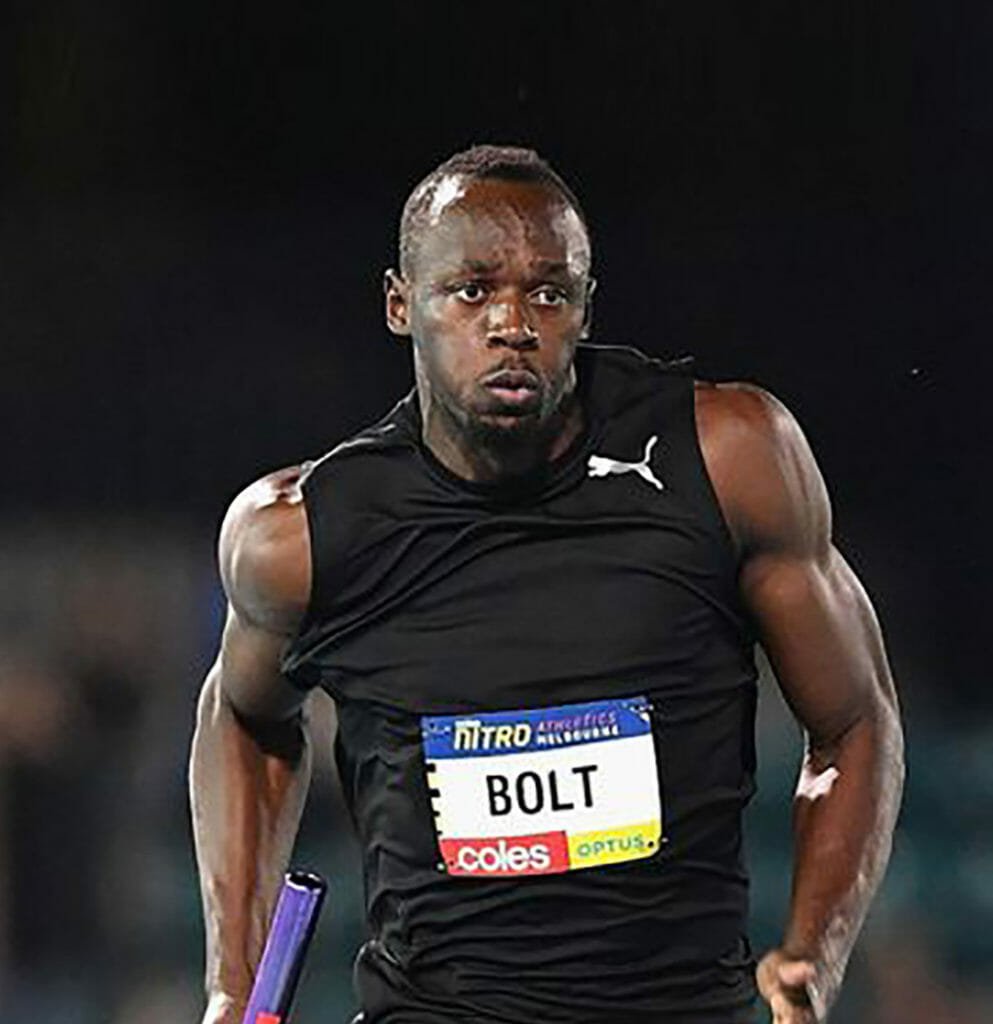
The universal domination of Blacks in sports needs not be demonstrated. It can simply be pointed to. “He’s the world’s best-known athlete today” is not the hint to a question that can be asked of contestants on Jeopardy, a popular U.S. tv gameshow for smart people. The answer is all—too–obvious: “Who is LeBron James?” the basketball phenomenon who walked straight into the footsteps of the legendary Michael Jordan whose “permission” James sought to wear the magical number 23. The same goes with “Who is Usain Bolt?” the answer to the hint “He was the fastest man on earth before the Tokyo games.” While some of the current generation’s boxing fans may not know legends such as Joe Louis, the names Muhammad Ali, Mike Tyson and George Foreman come to mind when one thinks of the greatest boxers of all time. Strange as that might have looked on the surface, three Nigeran-born athletes held the titles of the fastest men on three continents in 2015: Femi Ogunode in Africa, Olusoji Fasuba in Asia, and Francis Obikwelu in Europe. These younger athletes simply carried the torch from African and African American fastest men before them, among them their distant American cousin Carl Lewis.
Many people, some with outright racist motives, have attempted to explain why Blacks perform so well in sports, often better than athletes of other races. Many who indulged in that exercise have paid a heavy price for doing so.
A longtime resident of Washington, D.C., I witnessed first-hand in 1988 the racial slur uttered by a high-profile sports commentator, Jimmy George Snyder, Sr., better known as Jimmy the Greek, who stated in an interview with a black reporter that the black athlete is superior “because of his high thighs that go up into his back.” Going back to the dark era of slavery, he said: “When during the slave trading, the slave owner would breed his big black to his big woman so that he would have a big black kid.” Then came a racist slur: “They’ve [Blacks] got everything. If they take over coaching like everybody wants them to, there’s not going to be anything left for white people.” His then-employer, CBS, gave in to popular indignation and fired him. That, however, did not stop the debate as to why Blacks dominate sports, with several theories being thrown out.
THE “BORN BETTER” THEORY
Better Genes
An elaborate attempt to explain Blacks’ domination in sports came in 2000 in a massive, 500-page book by an American journalist, Jon Entine, titled Taboo: Why Black Athletes Dominate Sports and Why We’re Afraid to Talk About It. “To the degree that it is a purely scientific debate, the evidence of black superiority in athletics is persuasive and decisively confirmed on the playing field,” writes Entine, to point to the supposed “scientific” basis of his theory. He then writes: “The favored and socially acceptable explanation for this phenomenon—a dearth of opportunities elsewhere, does not suffice to explain the dimensions of this monopoly. The decisive variable is in our genes—the inherent differences between populations shaped over many thousands of years of evolution. Physical and physiological differences, infinitesimal as they may appear to some, are crucial in competitions in which a fraction of a second separates the gold medalist from the also-ran.”
Reactions to Entine’s theory were profuse and swift. This “is a milder version of eugenics,” says Larry Proctor, a professor of anatomy at Washington State University, who is black. “And it’s damaging to blacks who buy into the idea that they have a physical edge. It’s like saying, ‘Let’s take the chains off the legs and put them on the mind.’”
Entine’s so-called “scientific” facts were dismissed by another American journalist—of a higher caliber, one might say—Jim Holt, who is also an author in popular science and essayist whose book, Why Does the World Exist, was a New York Times bestseller for 2013.
Holt concedes that there are probably some differences between racial groups besides the cosmetic ones, but rejects the notion of significant biological differences as stated by Entine: “Research in the 1970’s, for example, suggested that genetic variation among European, African and Asian populations was minuscule compared to differences between individuals within those populations.” Holt added that “DNA studies in the 1980’s indicated that the human species emerged less than 100,000 years ago, insufficient time for significant physical or mental differences among the races to have evolved.” Without necessarily dismissing Entine’s claims that on average black babies mature faster than white ones, even when they are poorer and eat a less healthy diet, walk about a month earlier and show better hand-eye coordination, he concludes that “the claim of genetic innateness remains completely speculative. Geneticists today hardly understand how traits like size and weight are inherited in fleas, let alone how athletic aptitudes are passed along in humans.”
Entine’s theory was also soundly rejected by renowned doctors, including Ian B. Kerr, MD, a longtime Consultant Psychiatrist and Psychotherapist in the NHS in London. In an essay titled The Myth of Racial Superiority in Sports published in The Hilltop Review of Western Michigan University, Kerr writes: “Race is not a legitimate biological category and, as a social construct, does not influence sports or sports performance in the myriad of biological ways Entine purports. In Taboo, Entine falsely conflates race with culture, and biology with social and environmental factors. Entine also wrongly equates notions of inherent natural ability with environmental occurrences and predicaments.”
Sickle Cell Anemia-induced Advantage
Dan Reardon, a trained medical doctor and the founder/CEO of FitnesGenes, a company that provides personalized fitness and diet recommendation based on DNA analysis, came up two decades ago with a theory based on the medically established fact that sickle cell anemia, a deadly blood disorder that affects primarily black people by transmission from parents to children, protects a person who gets only one copy of the cell—that is from one parent. The subject, in this case, said Reardon, doesn’t develop the disease and can work and perform everyday activity, but with a reduced overall oxygen demand. Dr. Reardon concludes, in excitement: “And here is the neat part: what type of muscle fibre requires less oxygen? Fast-twitch muscle! So, this is one of the theories why African Americans are fast and make such great athletes. It’s potentially because they have more fast-twitch muscle as a result of the way they have evolved in Africa to be able to survive malaria! We find this theory fascinating!”
The trouble with Dr. Reardon’s theory is that while sickle cell anemia affects mostly Blacks, it also affects the non-African American population. The result of a study conducted by the Center for Disease Control and Prevention, CDC, reads: “U.S. incidence estimate for sickle cell trait (based on information provided by 13 states) was 73.1 cases per 1,000 black newborns, 3.0 cases per 1,000 white newborns, and 2.2 cases per 1,000 Asian or Pacific Islander newborns.” Since African Americans represent only 13.4% of the population, if, for the sake of the argument, one applies the data provided by 13 states to all the 50 states, one comes up with a fairly large number of non-African Americans who possibly carry the sickle cell trait, and, therefore, can also benefit from the sickle cell-induced advantage of their muscles functioning with a reduced overall oxygen demand.
THE ENVIRONMENTAL DEBATE
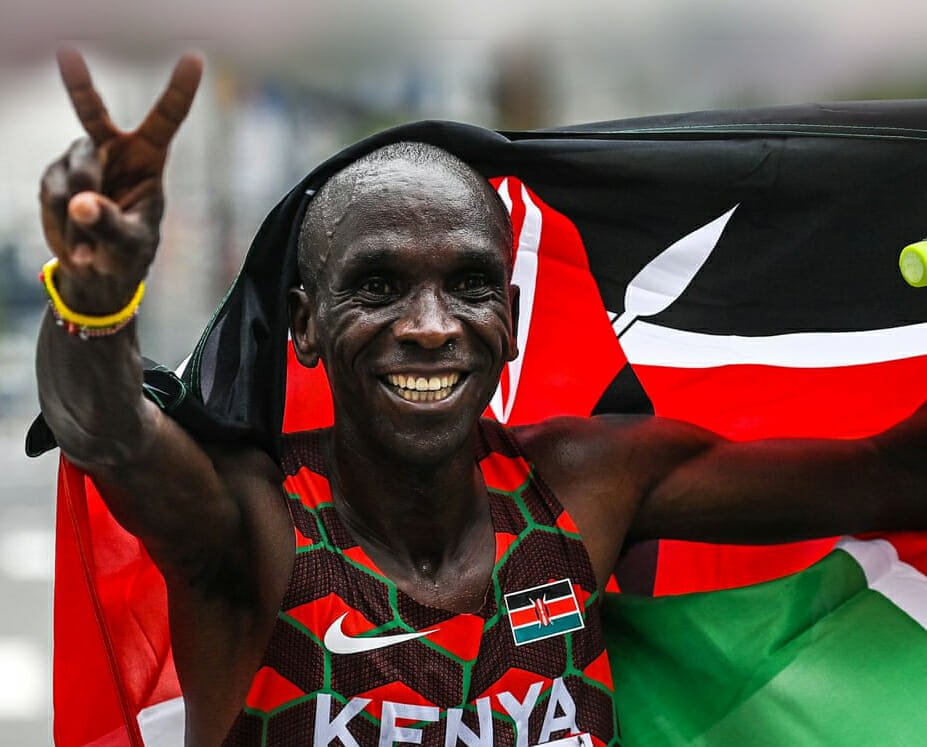
The monopoly of East African runners, especially those from Kenya and Ethiopia, on marathon races for decades has fueled a massive debate to explain the reasons behind that monopoly. While, here again, experts of all manner have clashed over conflicting theories, a consensus of sorts has emerged, linking the success of these marathoners primarily to the environment in which they live. Kenyan marathon runners, who have won 73% of gold and silver medals during international marathons for decades, live in the Rift Valley, a high-altitude area where they train for marathon, passing their success from generations to generations. Several independent studies have shown that altitude training can enhance sea-level athletic performance by increasing sea-level maximal oxygen consumption as well as running performance. This explains why marathoners from other parts of the world flock to the area to train.
SCIENCE AND THE DEBATE ABOUT RACE
The completion of the human genome project in 2003 finally makes it possible to examine human ancestry with genetics. A big step forward in science, it has unlocked many doors leading to a better understanding of the human species. New findings in genetics have torn down some walls that were believed to exist among people of different races.
In a fascinating study published on Harvard University’s website in 2017 titled How Science and Genetics are Reshaping the Race Debate of the 21st Century, Vivian Chou, who examined several other studies and findings, wrote, in reference to the ever-popular ancestry testing: “Estimating our ancestral composition down to 0.1% seems to suggest that there are exact, categorical divisions between human populations. But reality is far less simple.” The researcher also writes: “In the biological and social sciences, the consensus is clear: race is a social construct, not a biological attribute.” “Ultimately,” Chou writes, “there is so much ambiguity between the races, and so much variation within them, that two people of European descent may be more genetically similar to an Asian person than they are to each other. ” This, however, may not convince a John Doe who sees very striking differences between a Black and a White.
These social and scientific realities should redirect our focus, in the search of answer to why black athletes outperform other groups, to the economic debate about it.
THE ECONOMIC ARGUMENT
The economic argument about African Americans excelling in sports boils down to this question: Do African Americans represent 59% of the NFL and 74% of the NBA because these sports are the way out of poverty for them, or because they just love the sports?
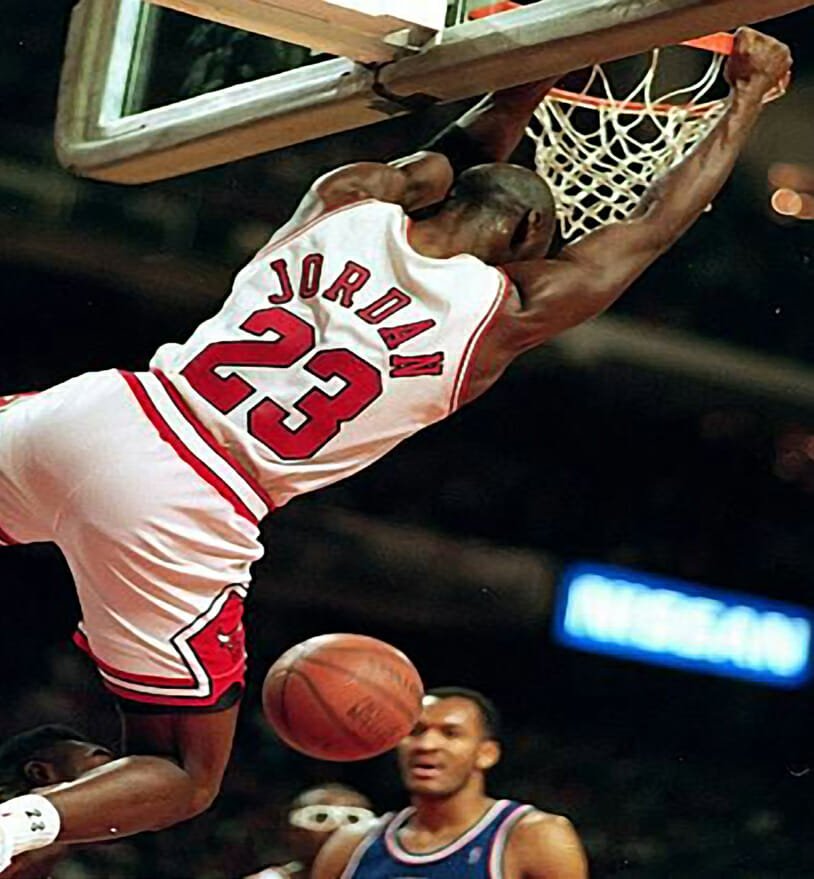
The success of black athletes and the financial pay-off and glamour that come with it have made generations of black children want to play professional basketball or football, which they see as the way out of poverty. The already-existing trend was compounded by the Gatorade “Be Like Mike” commercial featuring Michael Jordan that first aired in 1991 and later became a very popular commercial on American television and radio, with a background song being released as a single and selling 100,000 copies. Survey after survey have shown that almost all black high school athletic students who play on their school’s basketball team dream of going pro after graduation or securing a sport scholarship to go to college. (The trend is much lower among white students). But, in the face of huge demands and very few openings, the vast majority of these children don’t make the cut, and, having put academics on the back burner and looked only to an athletic career, they are devastated. This explains the sort of campaign waged by some African American parents in the seventies and the eighties to encourage their children to stay in school and do well, instead of aspiring to become professional athletes (or successful entertainers.)
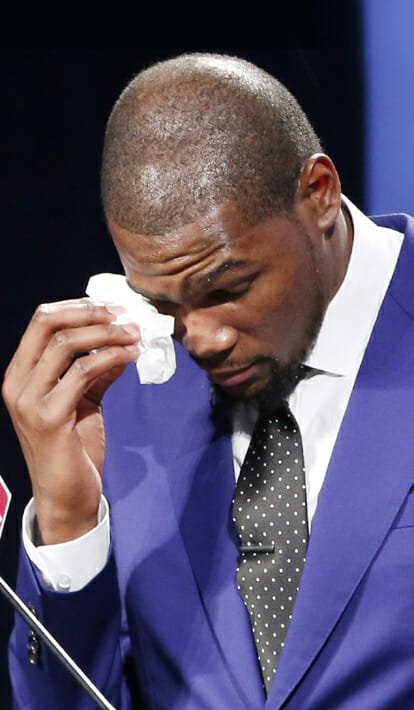
If the media’s hype about the “from rags to riches” stories about successful black athletes like LeBron James pushes young African American children in that risky direction, parental pressure is also a factor. A patent case is how Wanda Durant, the single mother of two boys, Tony Durant and Kevin Durant, pushed her two boys to become great basketball players.
When Kevin Durant won the MVP award in 2014, in a 6-minute moving speech, he thanked many people, but exceptionally his mom, saying to her, in tears: “You are the real MVP.” He described how tough life was for the family of three, how some nights her mother had nothing to eat but made sure her two boys didn’t go to sleep hungry. In a subsequent TV interview, Wanda Durant said the idea of playing basketball came from Kevin at the age of 10 or 11, but said how “tough” she was, and how hard she pushed them to be successful basketball players.
The world of professional sports stands apart as an industry filled with mind-blowing rags-to-riches stories. But then, some of the hugely successful African American athletes didn’t come from poor backgrounds, apparently an indication that they embraced the sport for the love of it, to pursue their talents. The most visible cases include Michael Jordan, who came from a middle-class family; the late Kobe Bryant whose father, Joe “Jellybean” Bryant, played in the NBA from 1975-83 for the 76ers, the Clippers, and the Rockets. Upon retiring from playing, Jellybean went on to a long and successful coaching career; Steph Curry, one of the giants of the game of basketball, came from a family where the father, Dell Curry, played in the NBA from 1986 to 2002. Celebrity New Worth estimates his fortune to be $8 million. The same goes with Patrick Mahomes, who is the son of a professional athlete, Pat Mahomes, who pitched for seven teams during his MLB career which spanned from 1992 to 2003.
No doubt, the stories of so many others who didn’t embrace the sports to get out of poverty temper the economic argument to explain why Blacks dominate so many sports.
A LINGERING MYSTERY OR NO MYSTERY AT ALL?
At the end of this journey, one comes away with the sentiment that black people’s clear dominance in sports is yet to be fully explained, or that there is nothing special to it. Several respected researchers have dismissed Entine’s theory of Blacks’ superior genes that he claimed predisposed them for bigger achievements in sports. The economic argument based on the theory that African Americans’ lack of economic opportunities compared to the larger population pushes them toward sports is tempered by the fact that many of the black athletic stars came from comfortable to rich families. Just by watching a short person trying to catch up with a taller person he is walking with, one is tempted to believe the claim that probably African sprinters and their African American cousins—who tend to be tall—have an advantage with their long limbs. But then, despite being only 5’ 10” tall, and, therefore, with relatively short arm’s length, an outstanding heavyweight boxing champion nicknamed The Gladiator and Iron Mike, Mike Tyson, had the terrible reputation of destroying his taller an longer-armed adversaries early in the first round.
By the same token, why, of all the brilliant stars the game of basketball has produced, including the legendary Larry Bird, Gordan Hayward, Kevin Love and other white players, the sport has been soundly dominated over the past several decades by black athletes: Kobe Bryant, Magic Johnson, Kareem Abdul Jabbar, Scott Pippen, and dozens of others, with the lion share belonging to two unparalleled phenoms: Michael Jordan and his heir LeBron James?
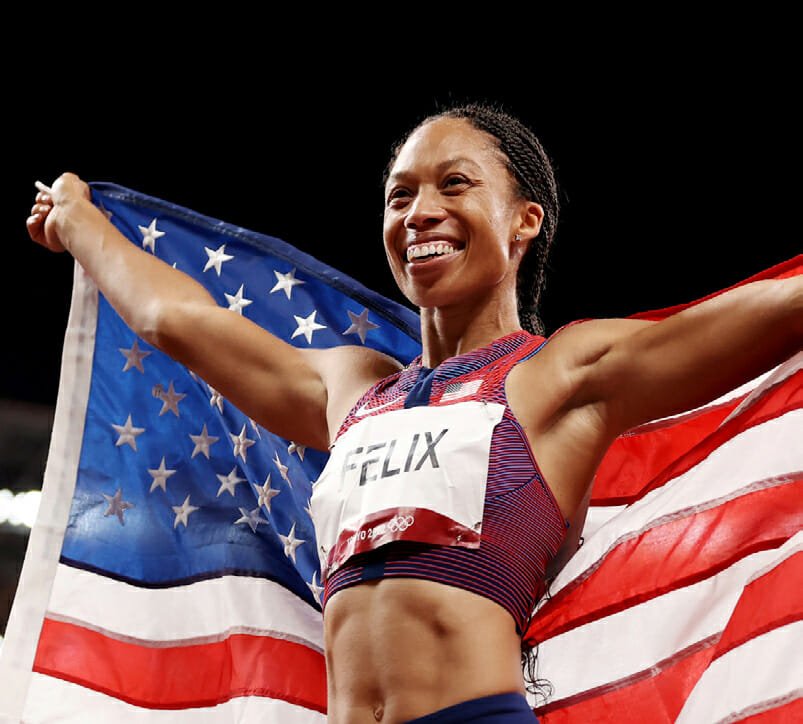
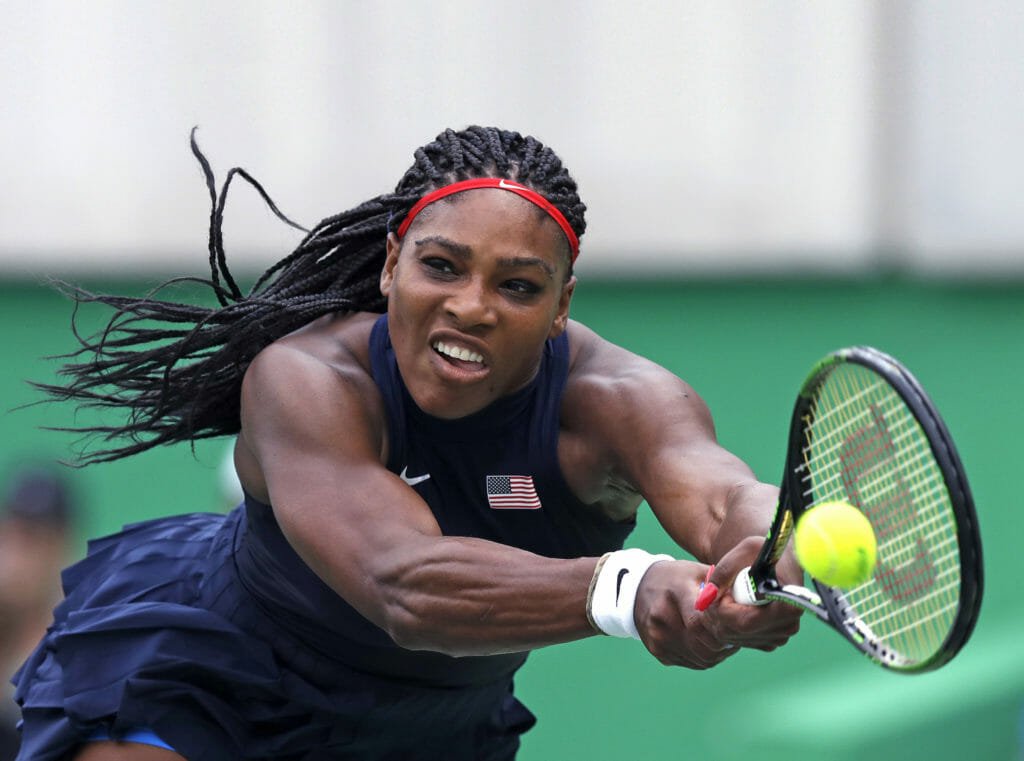
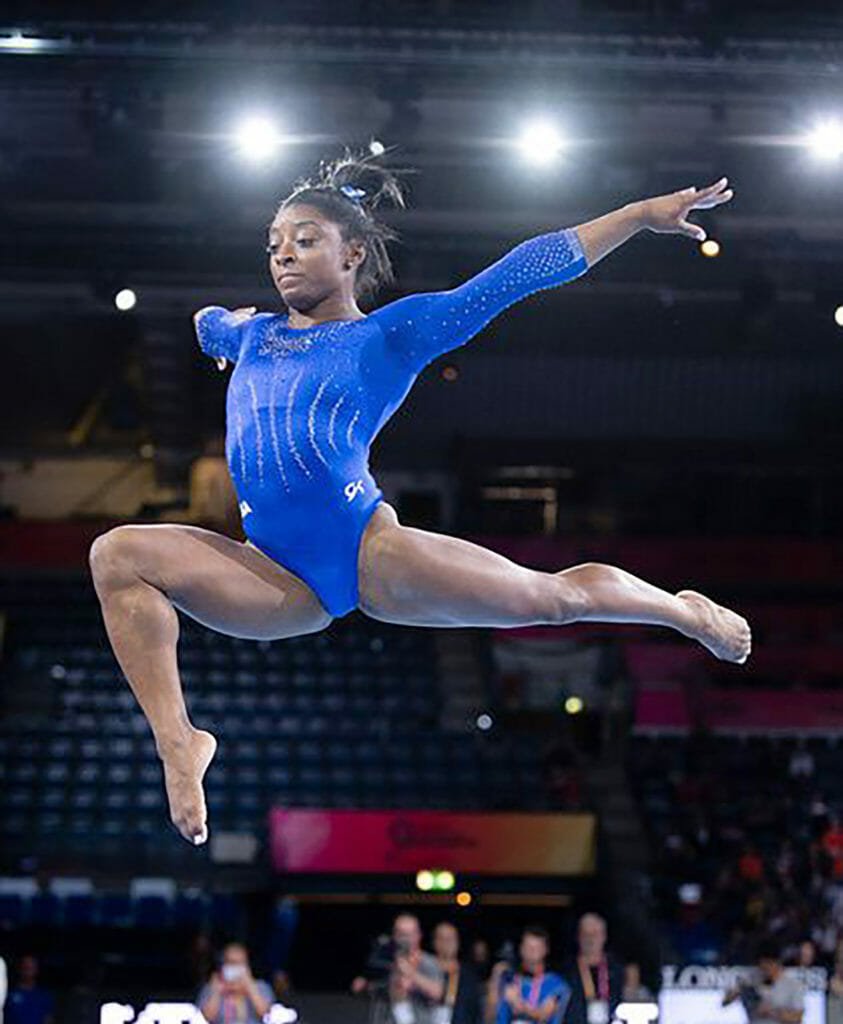
Why has a black woman, Serena Williams, won more tennis Grand Slam singles titles than any man or woman alive that plays tennis, a sport in which Blacks are a minority? Why is Allyson Felix now the most decorated Olympian of all time in track and field, having dethroned just last August at the Tokyo Games the previous holder of the crown, another black running star named Car Lewis? The same daunting question comes to mind when one thinks of black phenoms like Simone Biles (well known in America) and others less known here: Judo sensation Ted Riner nicknamed Teddy Bear or Big Teddy, who has won ten World Championships gold medals, the first and only judoka (male or female) to do so, and two Olympic gold medals. Or the powerful martial artist Francis Ngannou, the reigning UFC Heavyweight Champion known for being the hardest recorded puncher in history. Why, driven by the notion that the mountainous environment of Kenya and Ethiopia are the reasons why Eliud Kipchoge and Ethiopians win marathon after marathon, marathon runners of other races who go train in that area don’t win marathons?
It cannot be in the water these black sports stars drink, since they are scattered all over the world. Do they work harder than competitors of other races as some of the experts suggest? Or is it because, as 29-year-old Atlanta, Georgia-based Spiritual Worker & Tarot Reader, Sydney Bryant, says in the interview (on the next page), because “Black athletes seem to have a natural ability to push their bodies beyond what most people think is possible?”
LOOKING DOWN ON BLACK ATHLETES
The late CBS sports commentator Jimmy the Greek must have moved in his grave due to the fact that several black coaches have emerged since his 1988 racist slur, and have led their teams to win championships. No doubt, as the black community continues to advance economically, more Blacks will play the sports that require some investment to start, such as golf. Undoubtedly, more swimming pools in black neighborhoods will create the swimming versions of Simone Biles and Allyson Felix.
Part of the debate about Blacks’ superior performance in sports is intended to discount their merits, on the theory that, having been born better, it’s natural that Blacks outperform other groups. Black athletes are still scorned by some who equate them with beasts whose superior sports performance is indicative of an inferior intellect. The media’s negative depiction of black athletes goes in that same direction, as shown by a study published in 2015 by Professor Cynthia Frisby, a nationally recognized authority on media portrayals of minorities, athletes, women and teens.
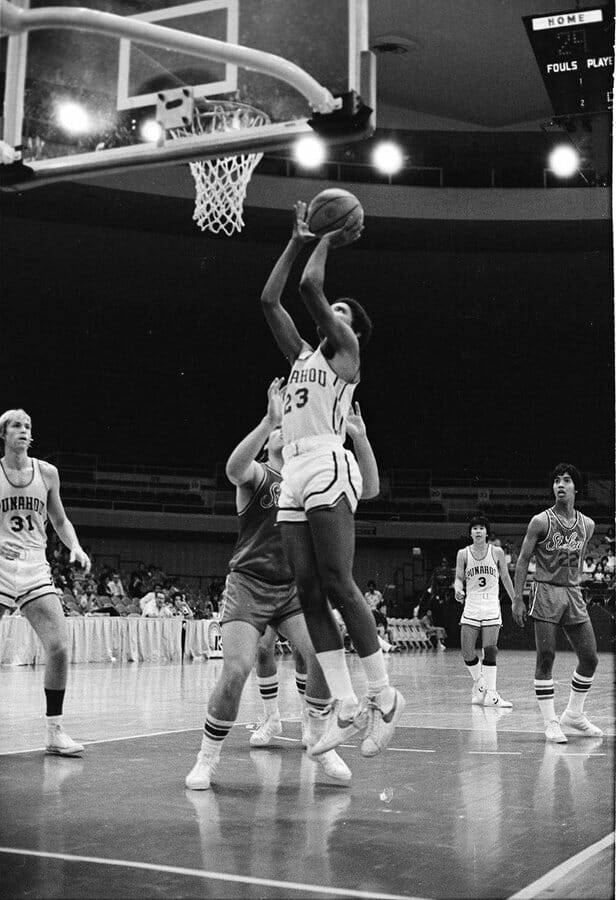
What could better defeat such claims than the fact that a black man who was quite good at the game of basketball and played varsity sports as a student at Punahou High School in Hawaii, went on to receive a Juris doctorate from Harvard University, became president of the United States, and left indelible marks on history: Barack Obama, who continued to play the sport time and time again with youth guests at the White House during both of his terms.


Soumanou Salifou (administrator)
Soumanou is the Founder, Publisher, and CEO of The African Maganize, which is available both in print and online. Pick up a copy today!